28. 04. 2026
Author: Nela Kadlečíková
What is the South Moravian Climate Council currently working on, and how are key projects progressing?
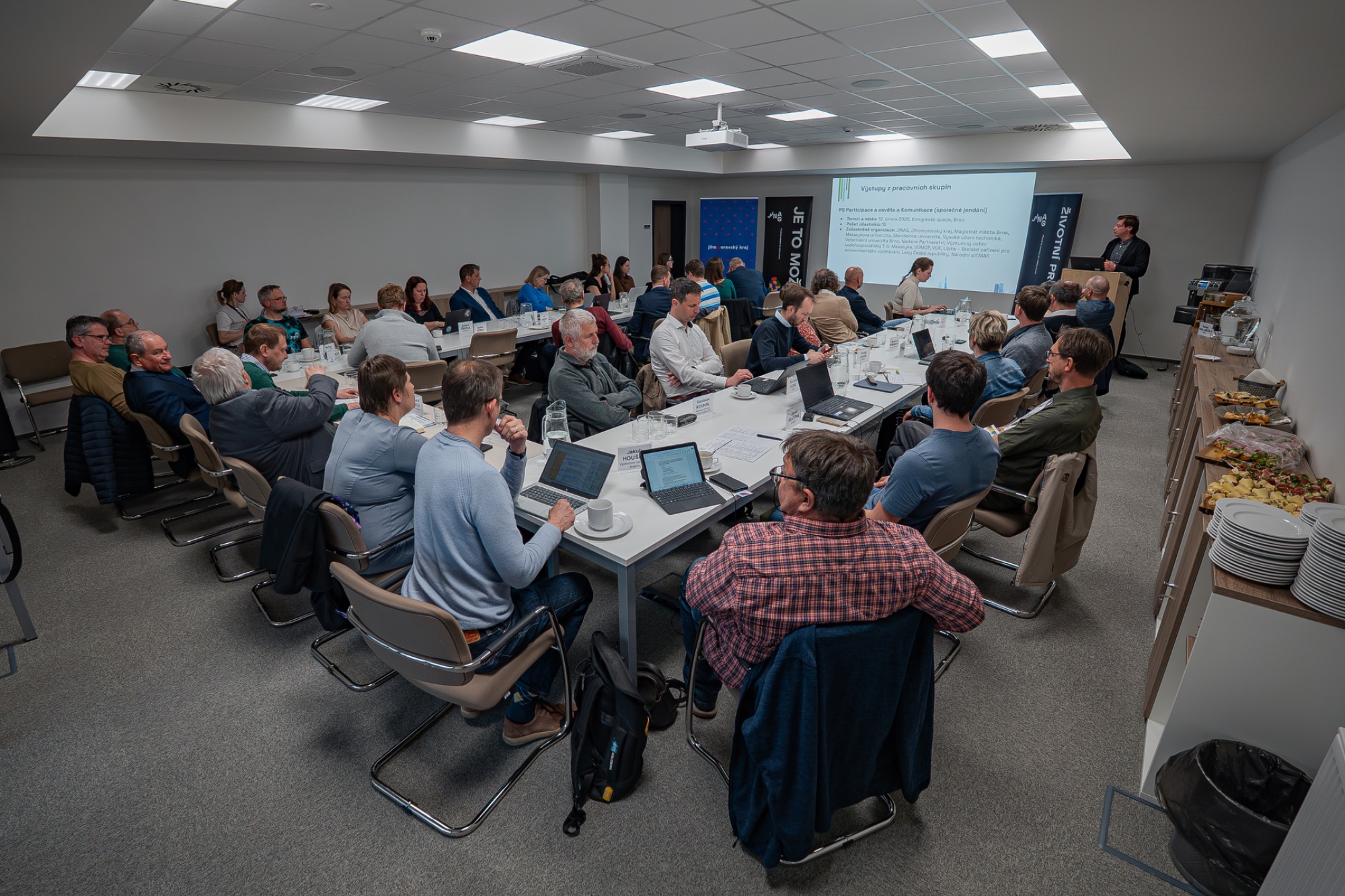
The second meeting of the South Moravian Region Climate Council confirmed that the region’s climate agenda is shifting from strategic documents to tangible actions on the ground and concrete projects with practical impact.
- What projects are currently in the planning and implementation stages?
- How is the South Moravian Region’s Climate Action Plan being implemented through specific measures?
- And how is the exchange of experiences among the various stakeholders proceeding?
This time, the program had a distinctly presentational character. Council members presented their project plans and the concrete results of their work, which contribute to the implementation of the South Moravian Region’s Climate Action Plan. Emphasis was placed on exchanging experiences and sharing practical, effective solutions.
The program also included a visit from the Ministry of Agriculture and a presentation by MEP Veronika Vrecionová, who outlined the current direction of European agricultural policy—including the future shape of subsidy instruments after 2028 and the search for a balance between environmental responsibility and the sector’s economic sustainability.
The discussion also addressed specific challenges from the region, such as the impacts of wind erosion and the administrative complexity of agricultural regulations. It was precisely these on-the-ground experiences that underscored the importance of practical cooperation and a coordinated approach across all stakeholders.
The South Moravian Climate Council was established in 2025 as part of the Zero Update of the KAP, which established a new governance structure comprising a KAP manager, a coordination group, and an expert panel. The Council connects science, practice, municipalities, and the region’s strategic priorities, bringing together representatives from public administration, specialized institutions, universities, the nonprofit sector, and JINAG, which coordinates the entire process.
The next meeting will take place in the fall.