From Cluj to Brno: How European Cooperation Is Turning Complex Climate Reports Into Practical Tools

25. 06. 2026
Author: Mátyás Svigruha

From Cluj to Brno: How European Cooperation Is Turning Complex Climate Reports Into Practical Tools

Terms like “climate resilience of infrastructure” or the EU’s “do no significant harm” principle sound like a bureaucrat’s nightmare. But behind these complex terms lies the most important issue: how to build roads, parks, and buildings so that they can withstand heat waves and floods without destroying the natural environment around us.
 
For many municipalities, however, it is difficult to apply these rules in practice when planning budgets, infrastructure projects, or grant applications. This is where the GreenGov project comes into play. Its main goal is to develop clear methodologies, procedures, and decision-making tools that enable officials and policymakers to easily assess whether a specific project is truly “green” and eligible for European or national funding.
 
The practical result is that projects with demonstrable climate benefits—such as expanding green infrastructure, flood protection, or reducing CO2 emissions—have easier access to funding and often enjoy more favorable terms.

Collaboration First: When Brussels, Lisbon, and Brno Pull Together
 
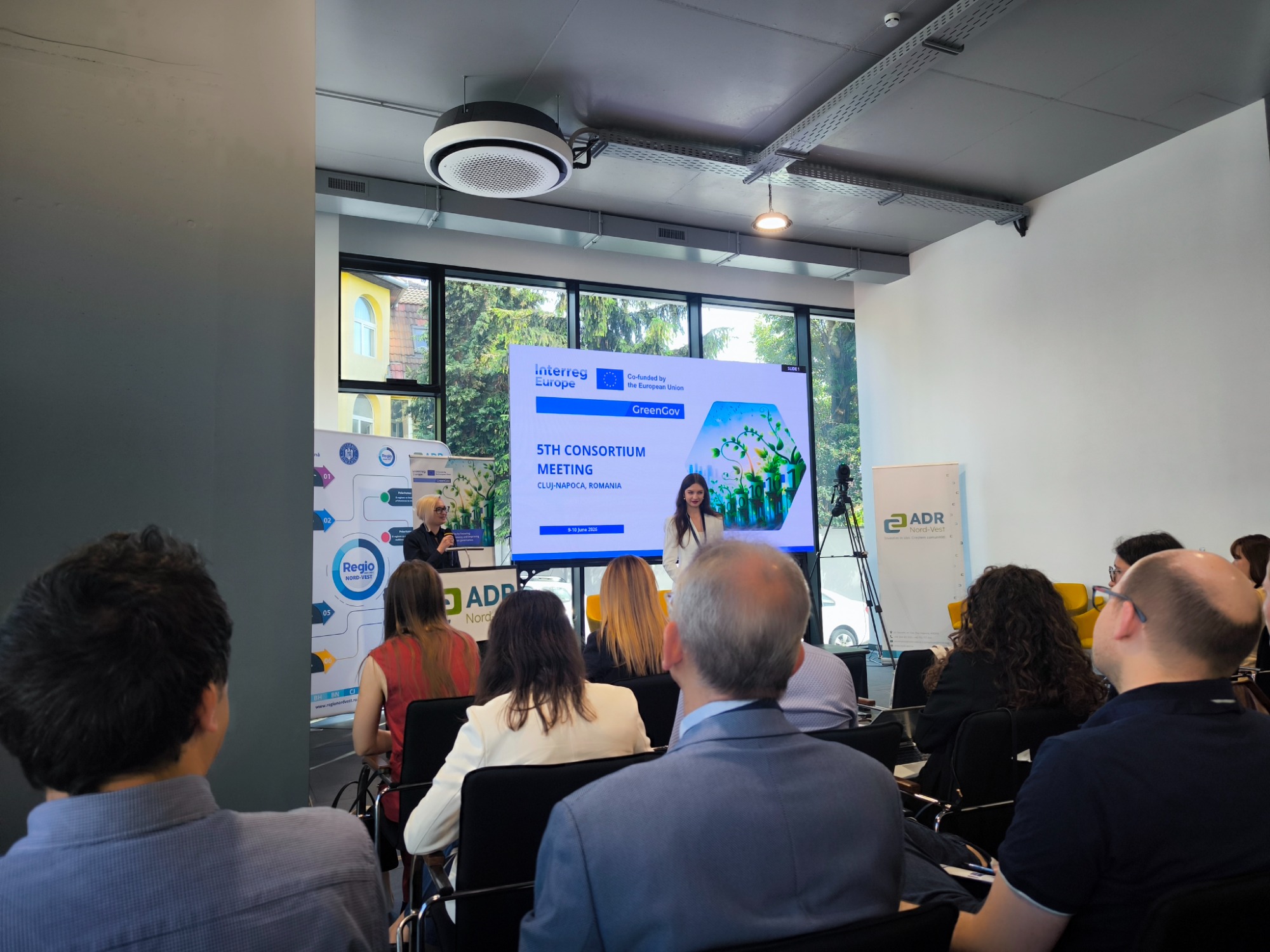
The fifth meeting of the GreenGov international consortium in Cluj, Romania, demonstrated that when experts from across Europe join forces, even the most complex directives can be transformed into projects with a real impact on people in the regions. Colleagues from the Lisbon metropolitan area, for example, shared their expertise on green bonds and demonstrated how they are financing the city’s protection against the impacts of climate change.  
 
For example:
 
 
The LIFE LUNGS project focuses on the systematic expansion and interconnection of green infrastructure throughout the Lisbon metropolitan area to reduce the urban heat island effect, improve water retention in the landscape, and promote biodiversity in urbanized areas.
 
Specifically, this involves funding the planting of trees and shrubs, the restoration of urban parks and green spaces, the conversion of lawns into biodiversity-rich dry meadows, and the retention of water in the landscape.
Because this was a climate project, Lisbon received a substantial European grant (55% of the costs) from the LIFE program and access to targeted funding for environmental projects, thereby reducing its financial burden.


Life Lungs - Adaptação às Alterações Climáticas - Lifelungs - Project 


The Lisbon Drainage Master Plan project focuses on reducing flood risk in urban areas and adapting to extreme rainfall caused by climate change.
 
Specifically, it involves financing extensive blue infrastructure in the city of Lisbon—the construction of two large underground drainage tunnels, the building of retention basins to capture stormwater, the modernization and reinforcement of the city’s sewer and stormwater infrastructure, and the increase of water runoff capacity in critical urban areas.
 
Because the city’s drainage project demonstrably increases resilience to climate change, it has secured preferential loans from the European Investment Bank and support from European funds. The project’s “green” nature has thus led to cheaper and more accessible financing for large-scale adaptation measures.


https://climate-adapt.eea.europa.eu


The Green Participatory Budget program focuses on the systematic funding of climate and adaptation measures through Lisbon’s participatory municipal budget.
 
This involves funding projects selected directly by the city’s residents and implemented as part of Lisbon’s municipal budget. The program is designed to support both climate change mitigation and adaptation while strengthening public participation in investment decisions.
 
Funding focuses primarily on the construction and expansion of bicycle infrastructure and pedestrian zones, planting trees and increasing local urban greenery, creating urban gardens and community green spaces, converting asphalt and parking areas into green and permeable surfaces, installing features for rainwater retention and infiltration, and projects aimed at reducing air pollution and urban heat island effects.


EIT Climate-KIC supported Lisbon City Finance Lab awarded EUR 5 million | EIT 


People on the Ground: Inspiration from Projects in Cluj
 
You can see for yourself that the green transition makes sense right on the streets of Cluj. Our hosts from the Northwest Regional Development Agency organized field trips to places where European cooperation is yielding tangible results:
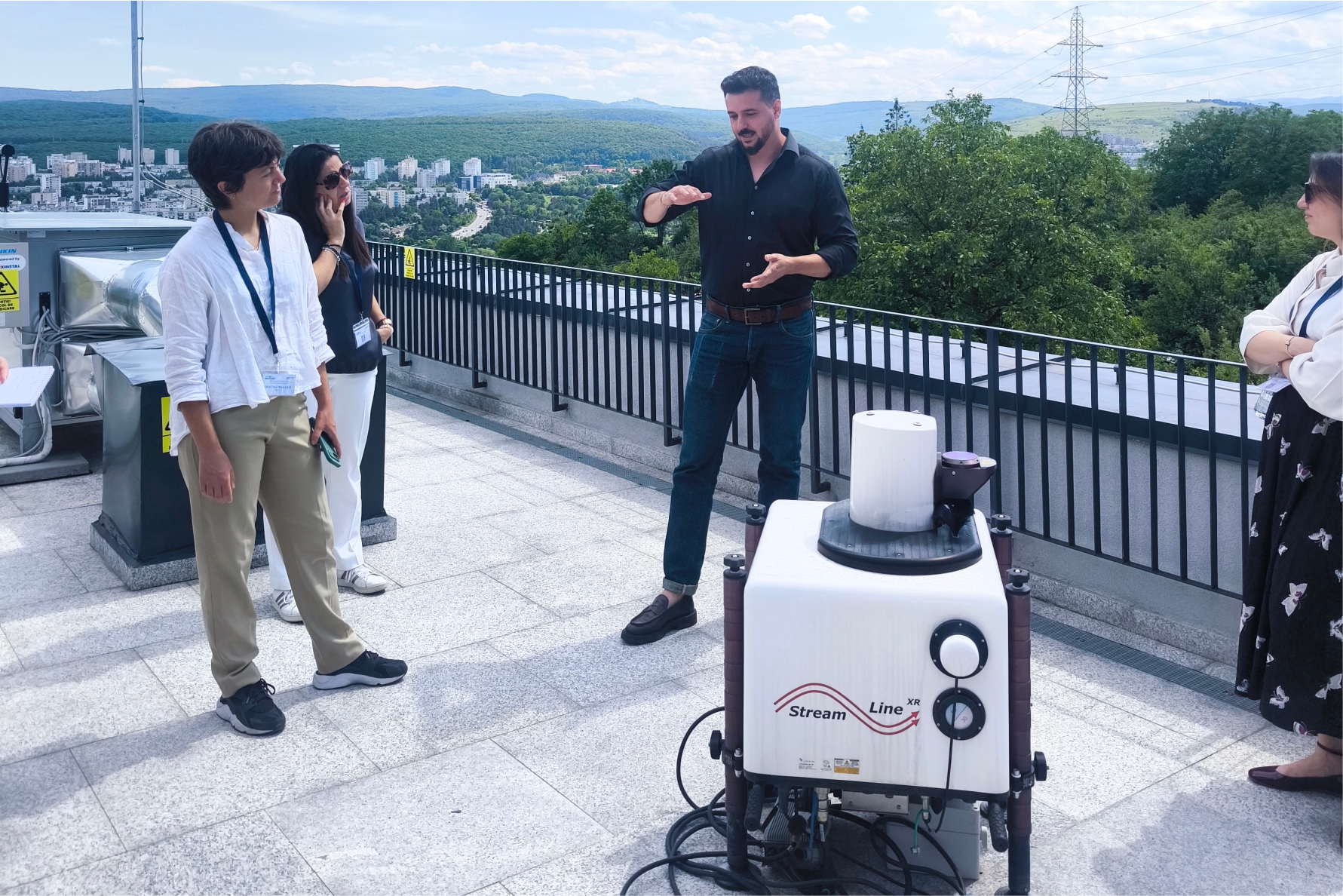
 

The ACTRIS-UBB scientific infrastructure, where specialized teams measure and model air quality in real time and, through a data center, provide outputs and alerts directly to the city of Cluj-Napoca to support its planning efforts. The data is used for traffic management during smog events, urban planning (green zones, wind corridors), air-quality crisis management, and long-term emission-reduction strategies.


https://actris-ubb.ro/


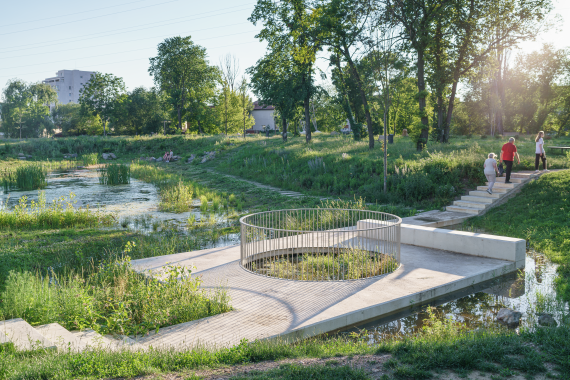
The Revitalized Feroviarilor Park is a model project in which architects, the city, and the community worked together to bring nature back into an urbanized space.


Revitalization of Feroviarilor Park, Cluj Napoca - OAR 


What does this mean for the South Moravian Region?
 
All these discussions, the hundreds of pages of analyses shared, and the roundtable debates are now coming to a close. We are entering the 5th and 6th semesters of the project, marking the end of the idea-gathering phase.
 
Our task at JINAG is clear: to take the best of European know-how and translate it into concrete steps for our villages, towns, and small businesses, and to adapt these working models here in South Moravia.  

Project outputs:


The GreenGov project is co-financed by the Interreg Europe program. 

Official project website: 

https://www.interregeurope.eu/greengov 
 

This website uses cookies

We use cookies to personalise content and ads, to provide social media features and to analyse our traffic. We also share information about your use of our site with our social media, advertising and analytics partners who may combine it with other information that you’ve provided to them or that they’ve collected from your use of their services.

Allow all
Customize

Cookie customization