29. 04. 2026
Author:
Telemedicine, Assistive Technology, and 5G in Residential Social Services: The Experience of Šebetov Social Services
Šebetov Social Services has launched a project that, for the first time in the Czech Republic, demonstrates in practice how telemedicine, assistive technologies, and the 5G network can be integrated into the day-to-day operations of a residential social service facility. The goal was to create a functional model that would increase client safety, improve access to health care, and at the same time relieve staff of some of their administrative and operational burdens. Thanks to this integration, the Šebetov experience serves as an important source of inspiration for other social service facilities.
High demands on staff, a large proportion of manual record-keeping, and a limited ability to detect changes in health status in a timely manner
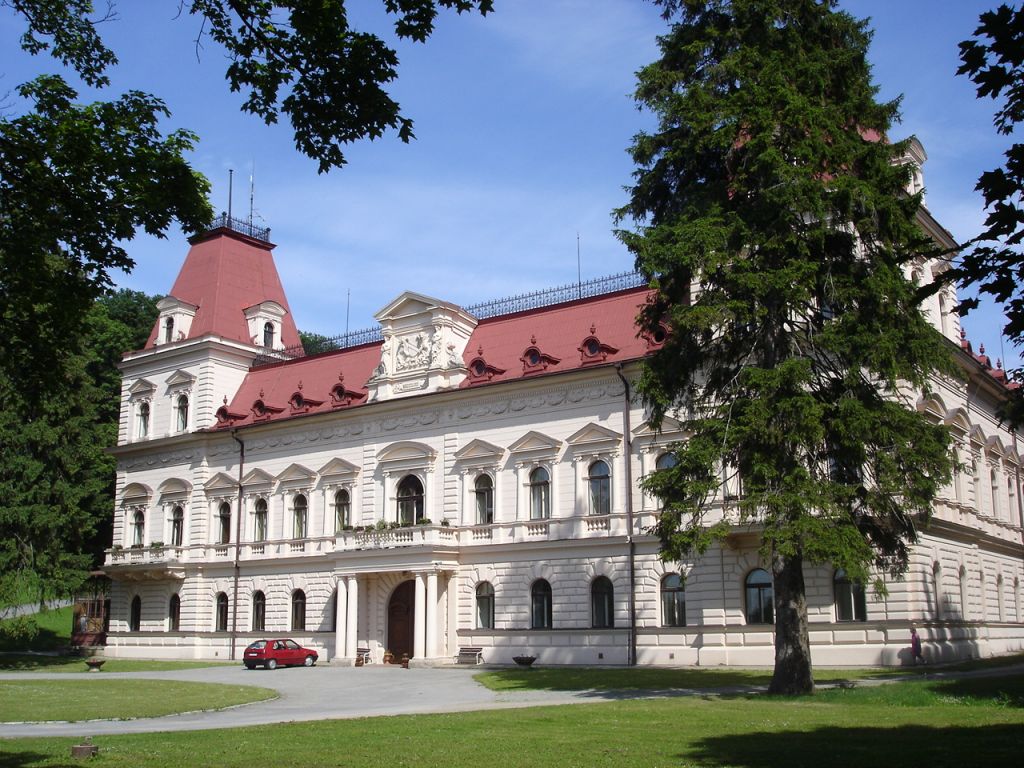
Šebetov Social Services is a 24/7 facility that provides residential services to people with disabilities and other clients with higher levels of support needs. The facility has a capacity of 148 beds and currently cares for 58 clients in its special-care home. Medical and nursing care is provided 24 hours a day, 7 days a week. Even before the project began, there was no systematic technological monitoring of the premises or clients; access to healthcare was poor, and signal coverage within the buildings was poor. The initial situation thus clearly illustrated a problem typical of many other facilities: high demands on staff, extensive manual record-keeping, and limited ability to detect changes in health status in a timely manner.
The goal of the project “Using the 5G Network for Effective Monitoring of Residents in Residential Social Services” was to develop a comprehensive telemedicine solution to improve access to healthcare directly within the facility. Telemedicine, assistive technology, and 5G are integrated here into a single functional system: data is collected from the client, securely transmitted, analyzed in real time, entered into records, and used to support faster decision-making by staff and external physicians.
This is therefore not merely a technological innovation, but an innovation in the organization of care. It will enable more effective long-term client monitoring, support rapid responses to acute situations, and reduce strain on the healthcare system, particularly emergency medical services and emergency rooms.
A multi-layered solution is currently in operation in Šebetov, connecting several complementary components. At its core is a telemedicine platform for collecting, storing, displaying, and sharing health data. It runs in a cloud environment, is available in Czech, and is connected to other systems, particularly the Cygnus 2 information system. As a result, measured values are automatically recorded in patient records, reducing the administrative burden on staff.
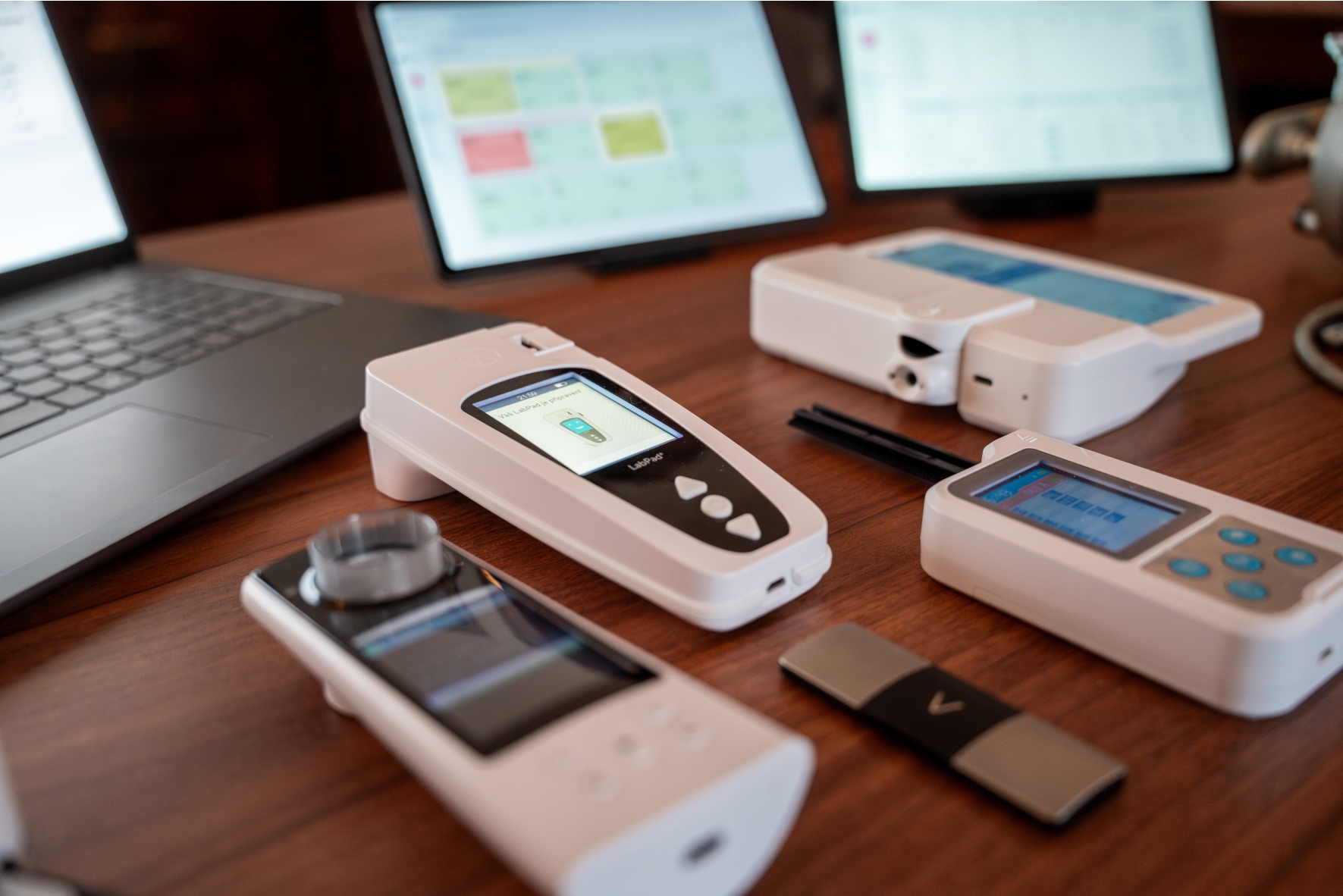
Another component consists of diagnostic kits that enable immediate or remotely assisted client examinations. These are complemented by a long-term monitoring system based on wearable devices, sensor mats, and wireless motion sensors. The entire system is interconnected via a mobile gateway and 5G connectivity, which ensure secure and reliable data transmission between individual devices and the central platform.
The main telemedicine solution is provided by MagicWare, which supplies the software platform, diagnostic kits, mobile diagnostic laboratories, wearable devices, sensor mats, wireless sensors, and related hardware. Its role is not limited to supply but also includes implementation: the system had to be adapted to the operations of a specific residential care facility, integrated with other processes, and incorporated into the staff’s daily work.
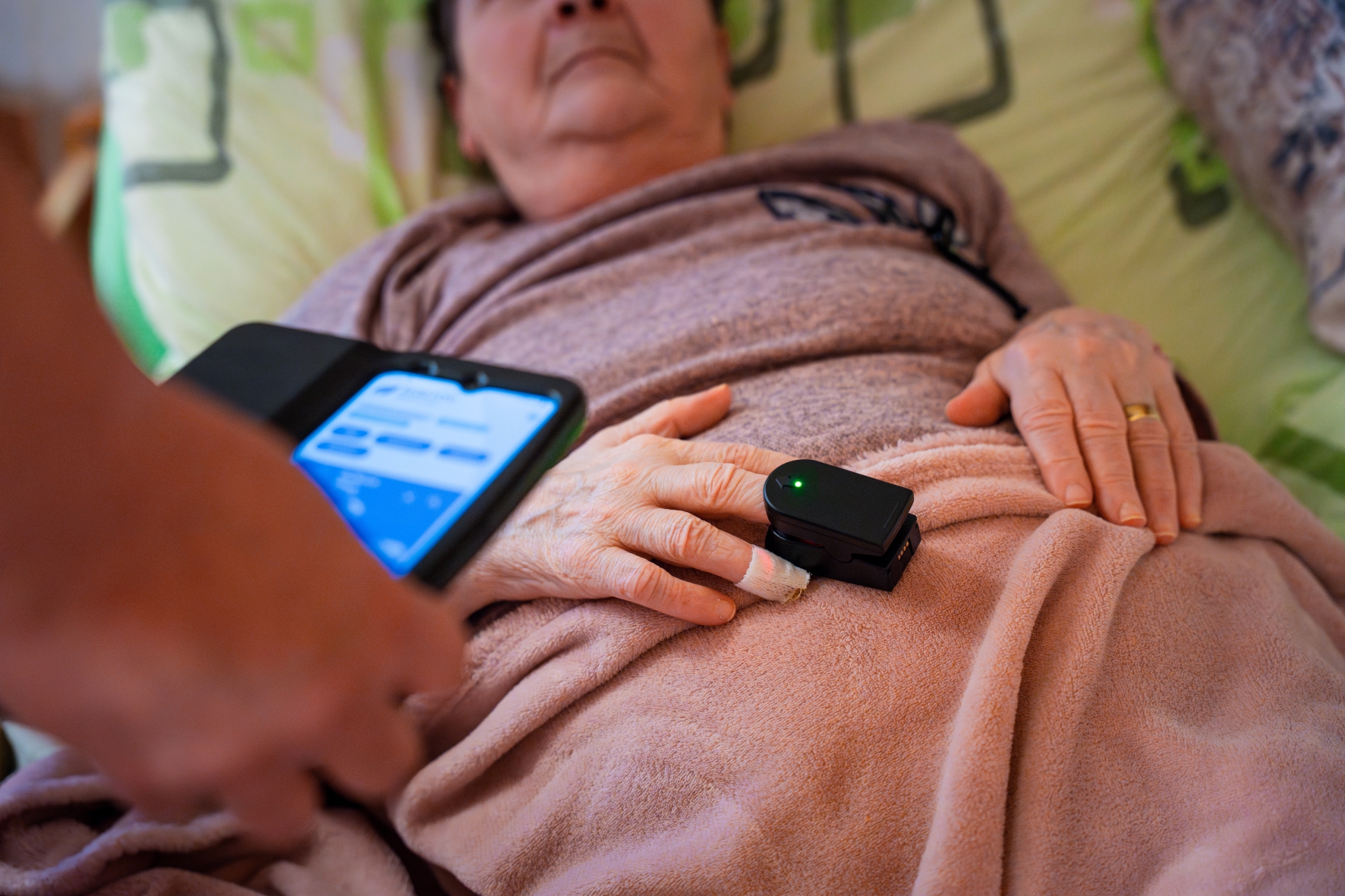
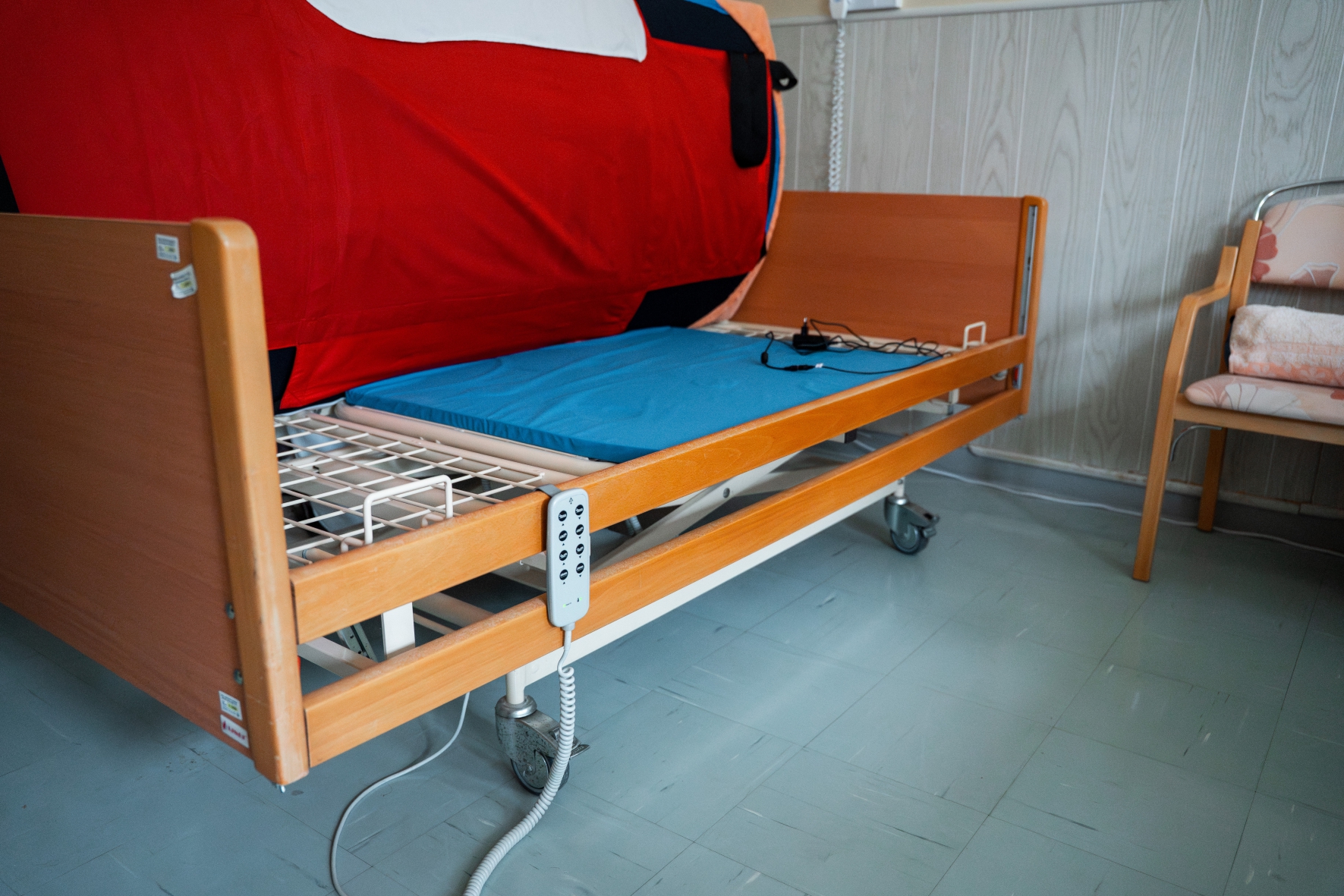
In practice, the system provides continuous monitoring of selected vital signs and movement parameters, fall detection, tracking of the client’s status in bed or in a chair, and automated data transmission for further evaluation. The wearable devices are selected to be as unobtrusive as possible for clients. For example, they track heart rate, temperature, oxygen saturation, physical activity, and fall events, while keeping the number of active components to a minimum—primarily an SOS button. Sensor pads allow monitoring of respiratory and heart rates, changes in position, and the client’s presence in bed, while wireless sensors monitor movement within the space non-invasively.
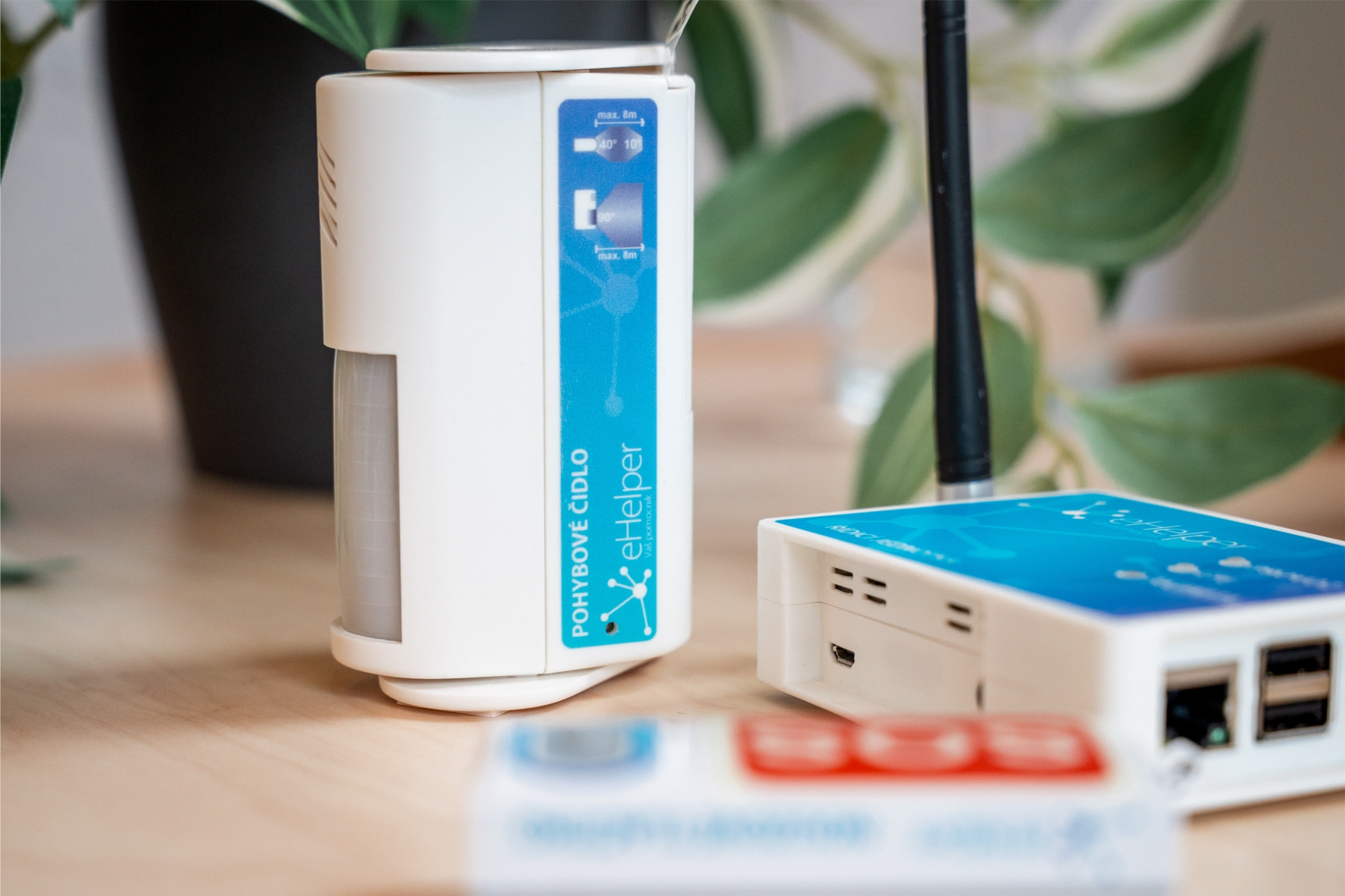
The eHelper assistive platform plays a key role in the project. Using sensors, it monitors activity in rooms and, based on an algorithm, evaluates unusual situations—particularly a lack of movement. Every recorded movement resets the activity timer. If the system detects no movement in a room for a defined period, it triggers an alarm, and staff verify the situation. Another important feature is the system’s continuous learning capability; after a few days of operation, it can recommend appropriate thresholds and time intervals based on a specific user’s actual routine. The experience in Šebetov also revealed the limitations of this type of monitoring. In shared rooms, interpreting the data on an individual basis is more complex because standard PIR sensors cannot distinguish between different people. It is precisely this openness to its limitations that gives the project high informative value.
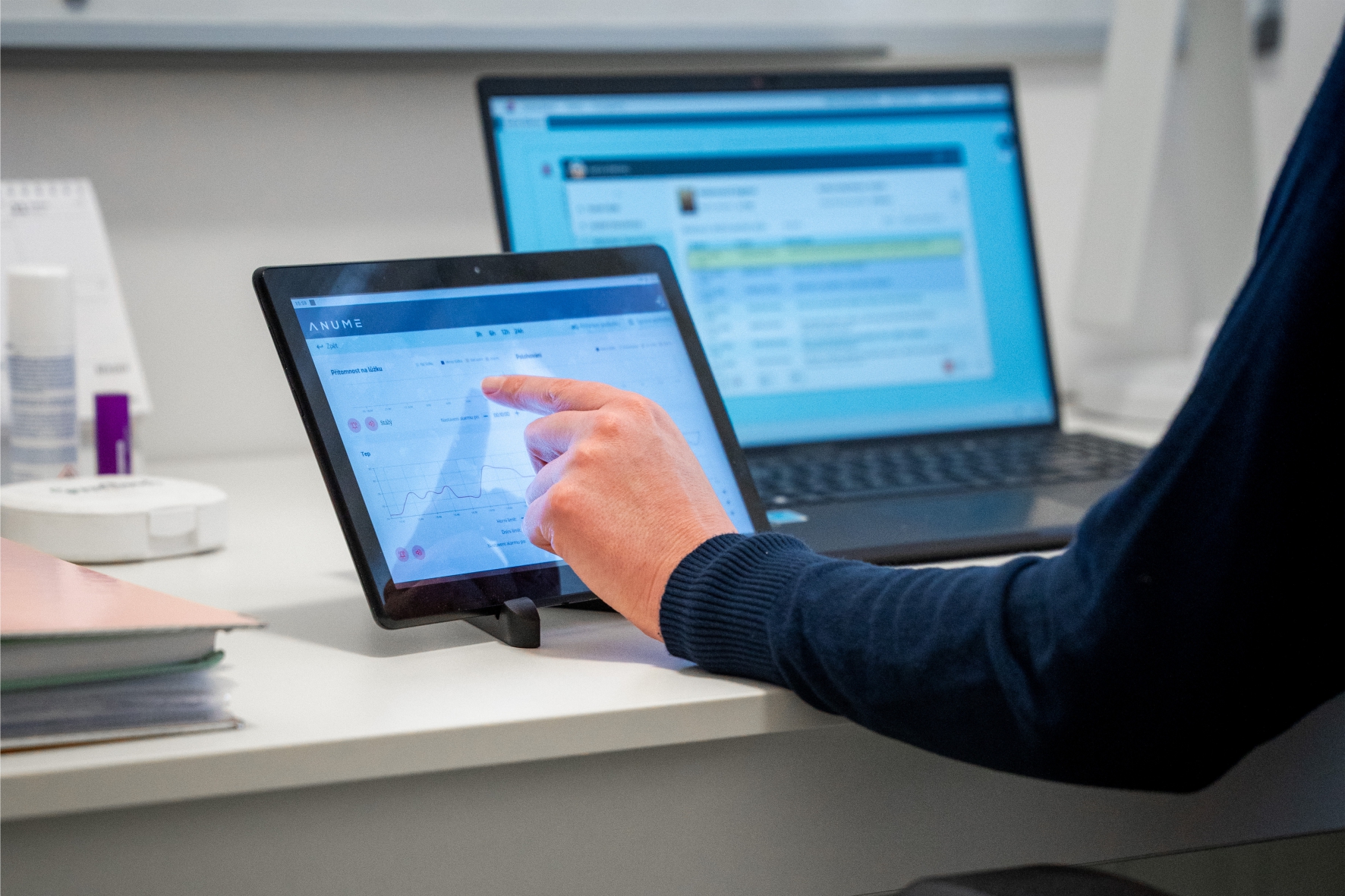
Telemedicine in Šebetov functions not merely as a passive means of data collection, but as part of a revised clinical and operational procedure. A nurse can initiate a telemedicine consultation, take measurements using digital medical devices, and send the data to the doctor via a secure platform. The doctor then evaluates the data, adds recommendations for next steps, and, based on the results, creates an entry in the medical record or issues an e-prescription or a referral, as appropriate. Communication occurs primarily asynchronously, while online connections are reserved for situations that require immediate interaction. This model demonstrates that telemedicine in residential social services is not a substitute for a doctor or nurse, but rather a tool that speeds up decision-making and improves the accuracy of information sharing.
5G infrastructure plays an absolutely crucial role in this context. It is being provided for the project by T-Mobile Czech Republic, which has deployed a public 5G mobile network in Šebetov that includes a private network component and data traffic prioritization. This is not simply a matter of using 5G as a marketing label, but rather the practical deployment of technology that delivers low latency, high reliability, prioritized data traffic, and the ability to serve a large number of devices and sensors without outages or delays. In an environment where even a brief delay can affect the quality of care or the response to a high-risk situation, this feature is critical.
When every second counts, the network must function reliabl
Cybersecurity and data management are equally important aspects of the project. The entire system is configured so that data is stored within the EU, encrypted during both transmission and storage, and access to the system requires two-factor authentication. The solution includes an audit trail retained for at least 18 months, user rights management, security incident monitoring, and a comprehensive risk analysis conducted prior to deployment. Operational and security documentation, a disaster recovery plan, a backup strategy, and other measures appropriate for handling sensitive health and personal data were also created. The Šebetov model thus confirms that responsible digitization of healthcare must address security from the system architecture all the way through to day-to-day operations.
Šebetov as a Living Laboratory
Today, Šebetov functions as a living laboratory where innovations are tested under real-world conditions and continuously adapted to meet the needs of both clients and staff. This is one of the most important lessons of the entire project: the successful implementation of telemedicine in social services does not depend on purchasing technology alone, but on the ability to translate it into clear work processes and manage it over the long term.
Furthermore, for a municipality, city, or region acting as the operator of such a service, it is important that this model offers a practical approach to getting started with innovations: testing them in a pilot program, evaluating their actual benefits, and then expanding them thoughtfully. In this way, the sponsoring entity acquires not only individual technologies but also the know-how to modernize care safely, gradually, and with due consideration for the facility’s actual needs.
If this model continues to be evaluated, developed, and adapted to different types of faciilites, it couldd become a key model for modernizing residential social services in the Czech Rebublic.
Funding and Management
The project was funded by the National Recovery Plan, and its project management was handled by the South Moravian Agency for Public Innovation (JINAG), which not only fulfilled an administrative role but also served as a partner in implementing innovations. The agency was involved in preparing the technical specifications, coordinating the project, and implementing innovations in the social and healthcare sectors. At the same time, it served as an intermediary between the needs of the facilities, the requirements of the public sector, and the capabilities of the technology partners. As a result, Šebetov became not only the site for implementing a single project but also a practical testing environment for verifying how innovations in residential care services should function in practice.
The project was not conceived merely as a one-time technology delivery. It included a feasibility study, an implementation plan, a risk analysis, a methodology for use, staff training, and the integration of the system into internal quality standards. The training covered not only the operation of the equipment but also the ethical and methodological aspects of working with clients and the incorporation of telemedicine elements into the organization’s daily procedures.