01. 10. 2026
Author:
The New Panská Garden in Lomnička: Residents helped shape the future of the village centre
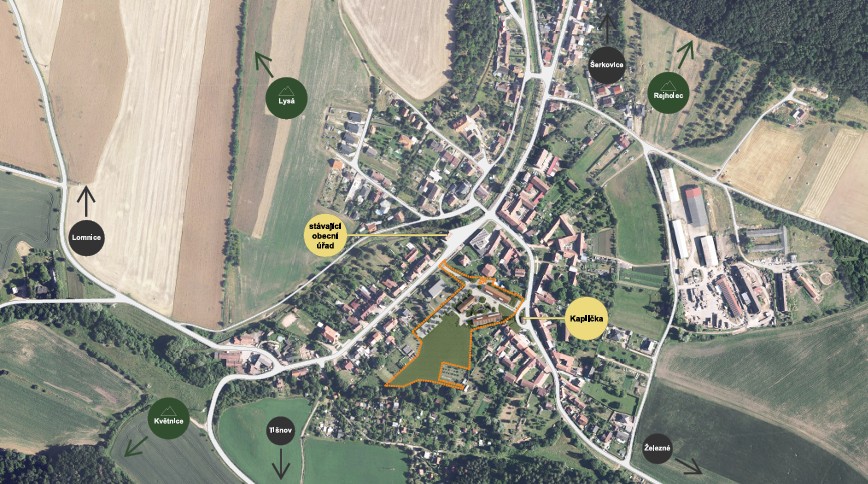
Lomnička, a village near Tišnov with a population of around 600, is exploring the design of its future centre. In the Nová Panská zahrada area, plans include a new village hall, rental accommodation, community facilities and a public space with green areas. However, before the area's specific layout took shape, the village council decided to find out what residents needed and wanted in the new centre.
“Panská zahrada is intended to be a place that will serve the whole village, so we didn’t want to determine its future form without those who will be using it. We needed to know what people in Lomnička are actually missing and what they would use in the new centre. Involving the residents helped us to prioritise and gave us a much clearer brief for our further work,” explains Ladislav Merta, mayor of Lomnička.
Step-by-step public engagement
A participatory process organised by the JINAG agency for the municipality helped identify how residents want to use the Nová Panská Garden.
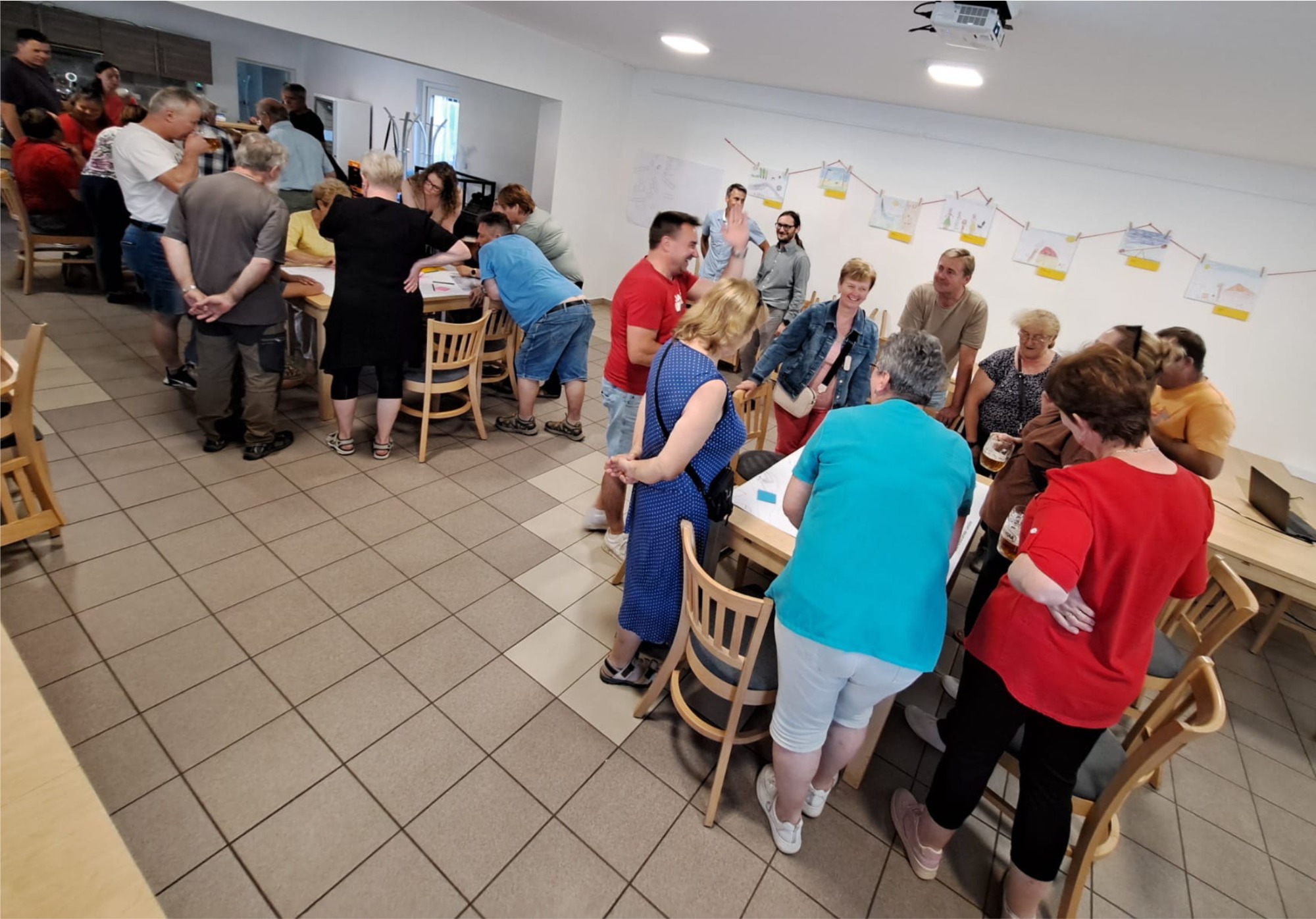
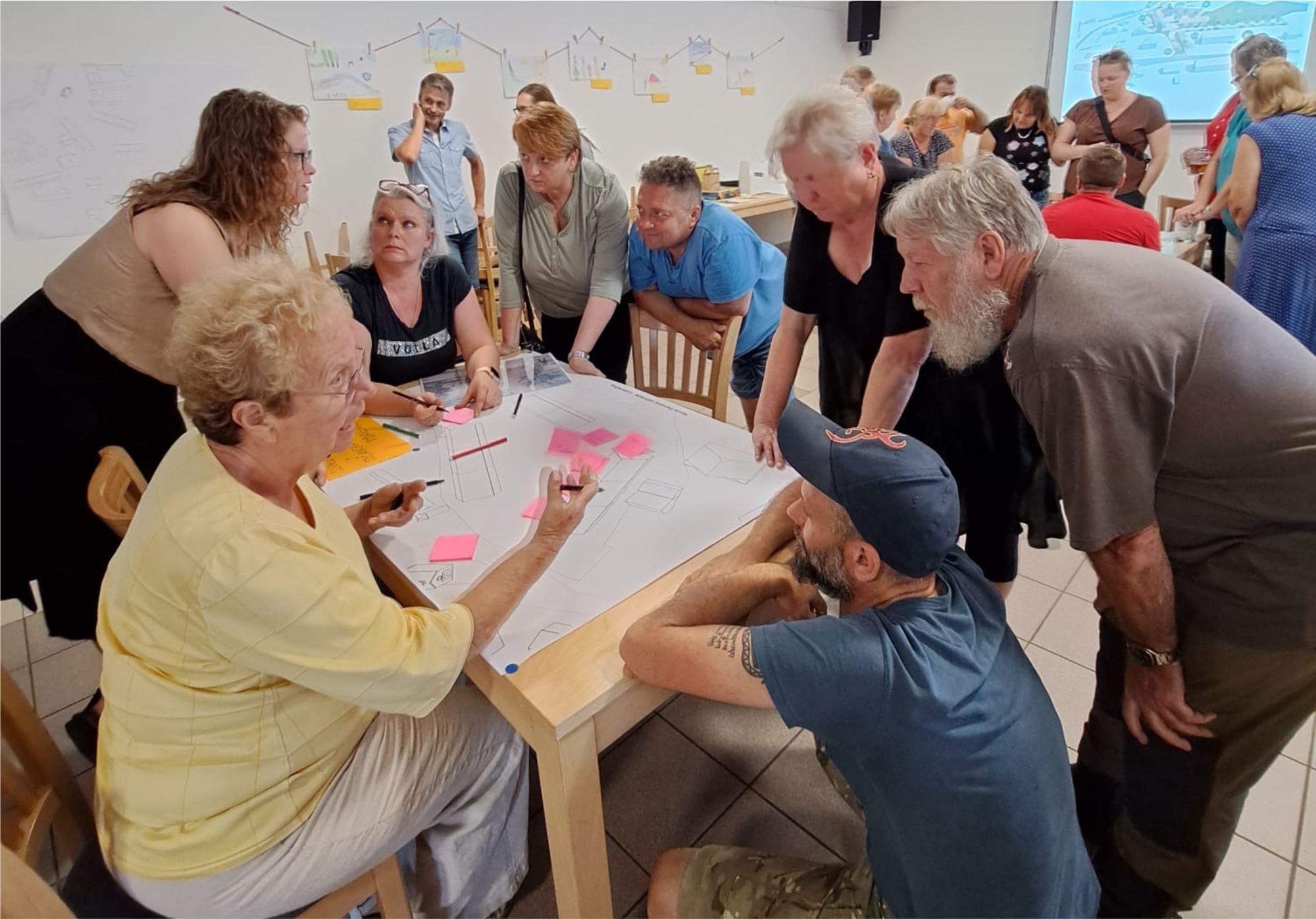
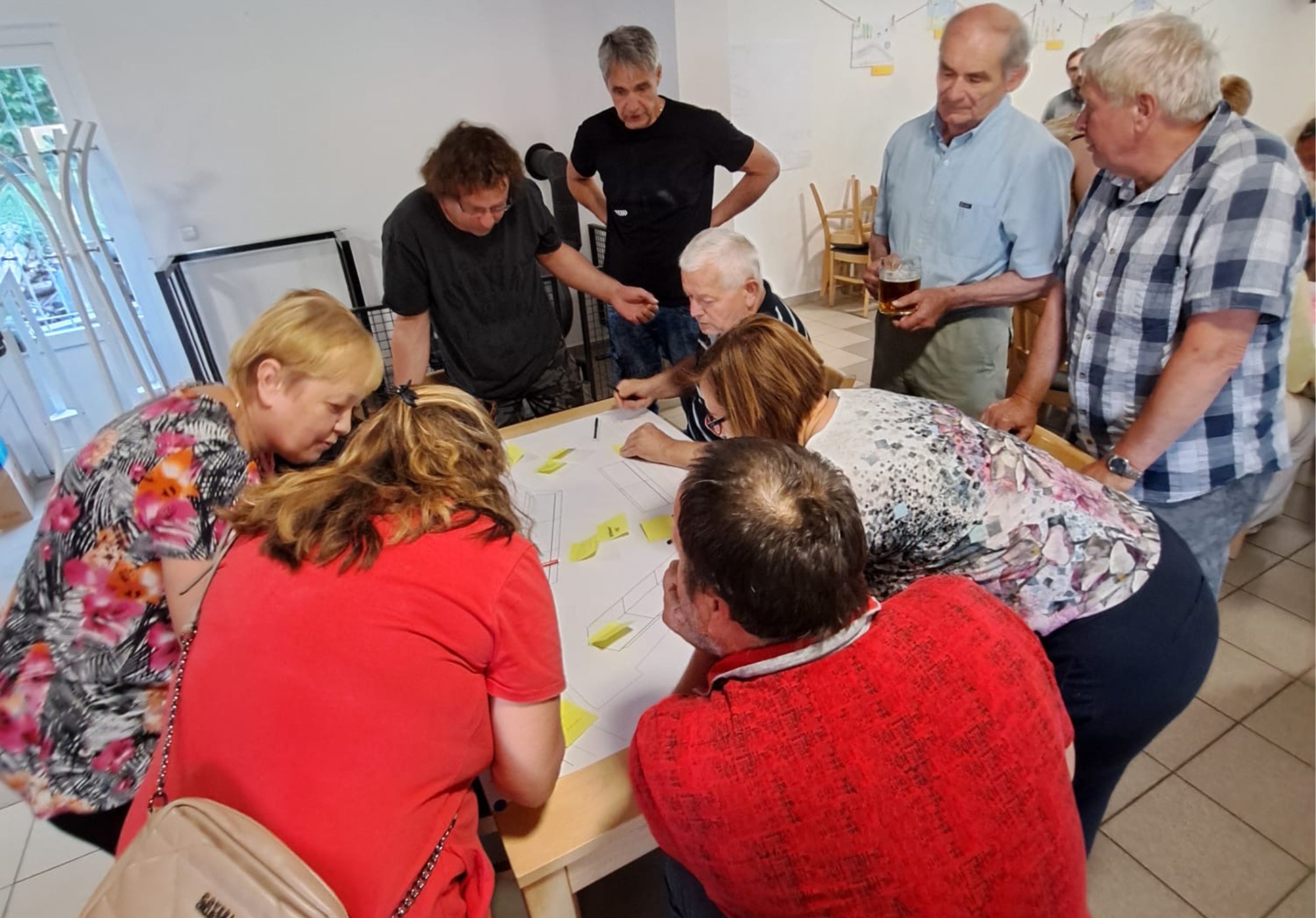
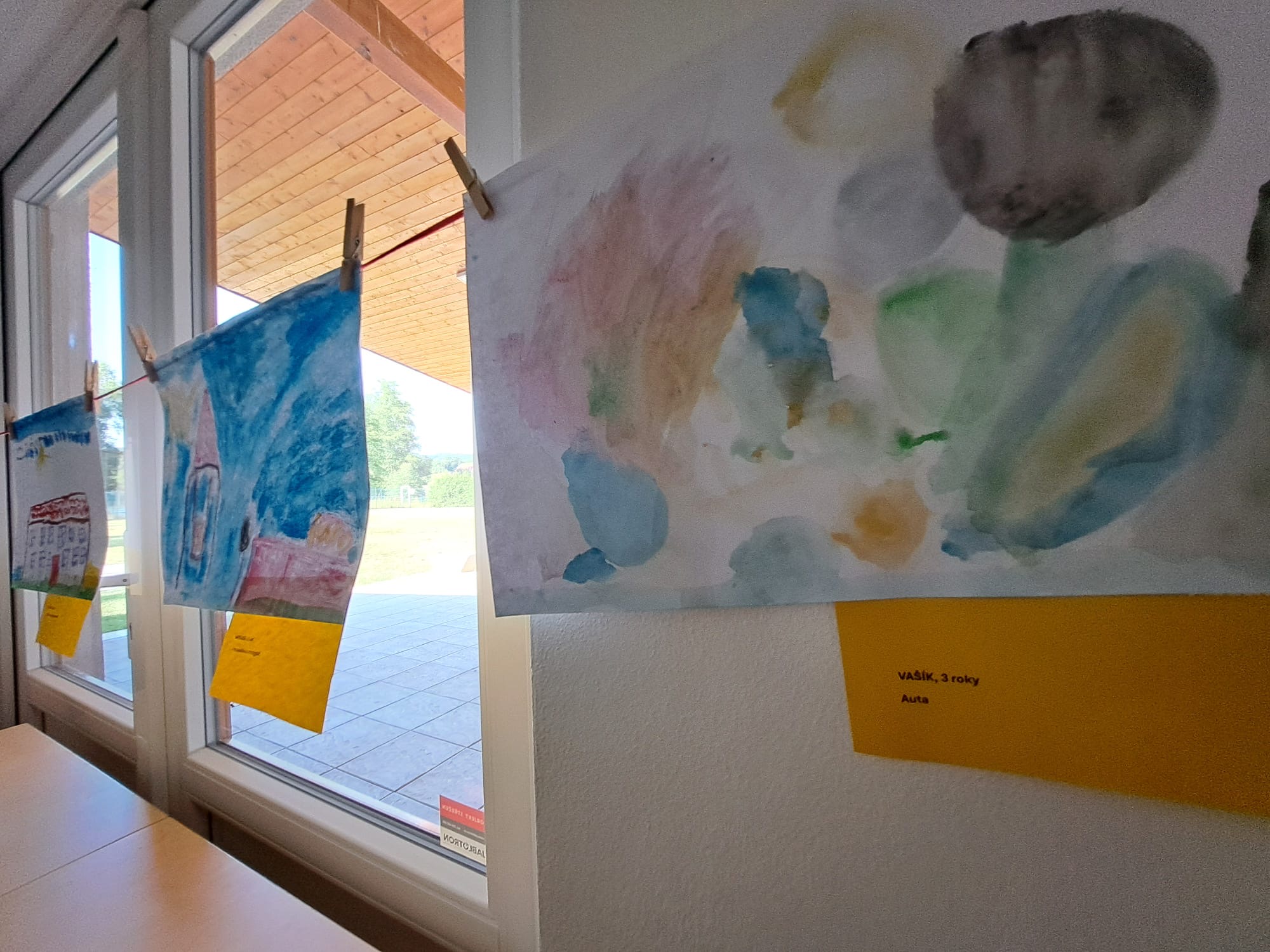
The first step was a community workshop held in June 2025, attended by 33 residents. Together with the mayor and an architect, they discussed the future use of the site and gathered ideas for services, public spaces and leisure activities. Children from the nursery school also took part in the process by submitting drawings on the theme ‘What would you like to see in the Nová Panská Garden?’.
The workshop was followed by a questionnaire, which was completed by 89 residents. Its aim was to prioritise the ideas raised during the meeting and to gain a clearer picture of what the local community feels is most lacking in the village. The suggestions received were subsequently incorporated into the preparation of an architectural and urban planning proposal, which will serve as the basis for the site’s further development.
What residents consider most important
The workshop generated dozens of ideas – ranging from new services and sports facilities to improvements to public spaces. However, it was only the questionnaire that revealed which needs were shared by the majority of residents.
“The point of participation is not to gather as many ideas as possible and then implement them all. What is important is to find out what people really need, where their views converge, and what enjoys broader support amongst residents. In Lomnička, this was achieved thanks to a combination of the workshop and the questionnaire. The municipality thus identified specific priorities that both the architect and the local council could work on further,” says Lukáš Dubec, a participation specialist at JINAG, who led the resident engagement process.
From dozens of proposals, several clear priorities gradually emerged. The greatest support was given to a new, wheelchair-accessible municipal office, a shop or supermarket, and more green spaces in the village centre. Other priorities included spaces for socialising and relaxation, the expansion of the municipal housing stock, and spaces for business and services. Green spaces emerged as a key theme throughout the entire process. Residents repeatedly emphasised that they wanted a pleasant place for everyday life and socialising, not just another built-up area.
At the same time, the results showed that not every idea raised during public discussions has the support of the majority of residents. For example, an electric car charging point, a museum, a library and a cycle path were among the least preferred options. It was precisely the combination of the workshop and the questionnaire that helped to distinguish individual suggestions from the community’s actual priorities.
From residents’ suggestions to a concrete proposal
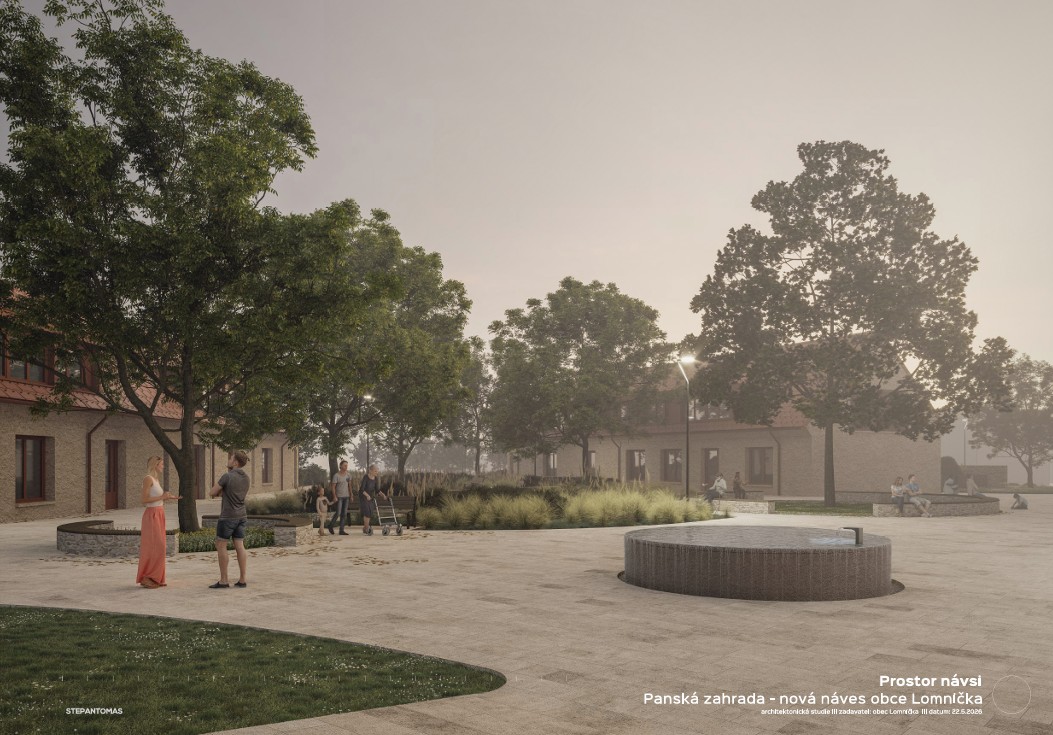
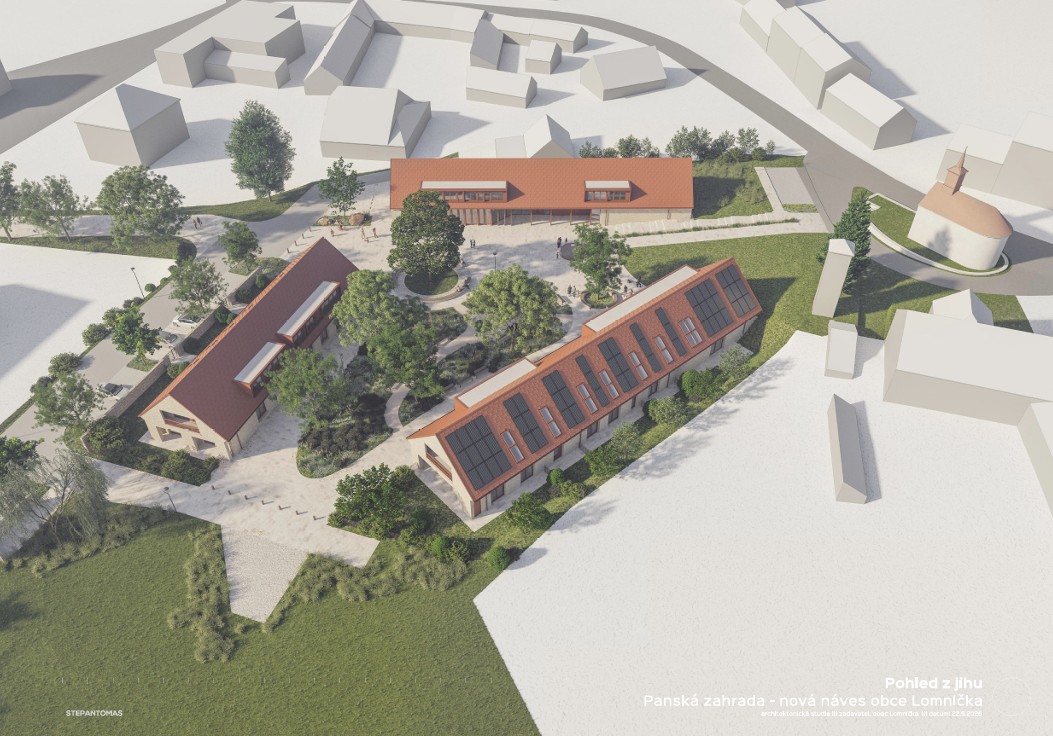
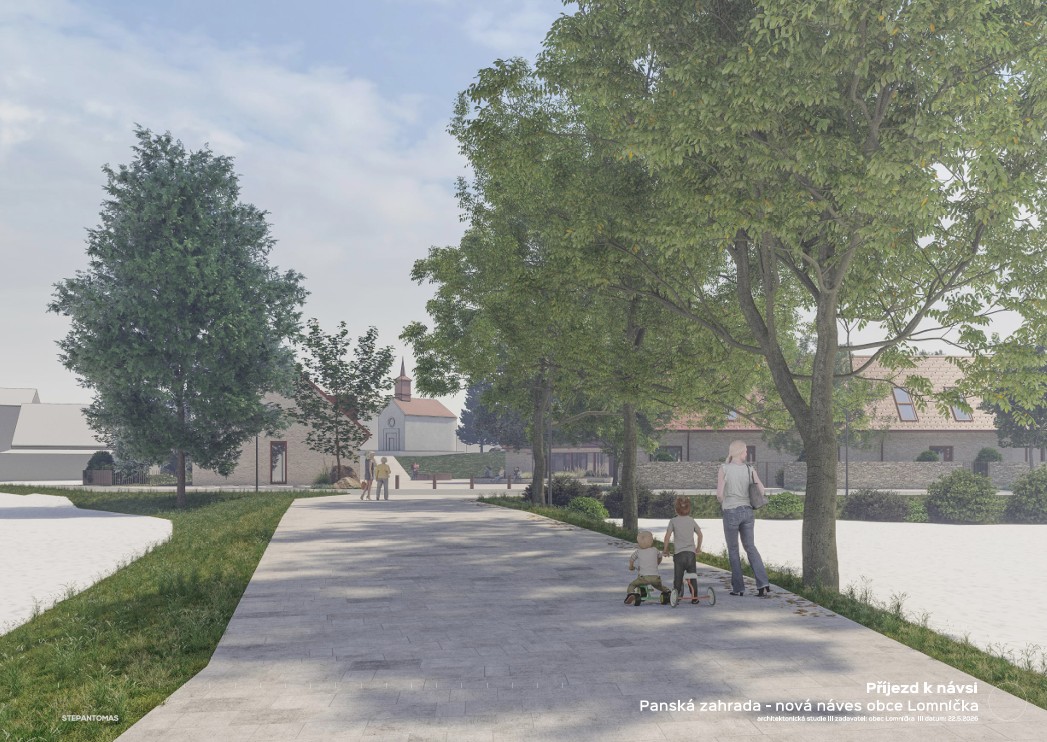
However, the process did not end with public involvement. The results of the workshop and the questionnaire formed part of the basis for the architect’s further work. In September 2025, the results of the questionnaire were presented at a public meeting of the local council, where the architect also presented a further elaboration of the plan. In July 2026, the council published visualisations of what the New Panská Garden might look like, featuring a new town hall, community facilities, rental housing and a new village green with greenery and spaces for people to gather.
“Architect Štěpán Tomas deserves great credit for the final form of the design; he was able to understand the character of our village very well and build on it sensitively. Right from the very first proposals, we felt that the design fitted naturally into Lomnička. Our collaboration with the JINAG agency, which organised the entire public engagement process, was also a great help,” said Ladislav Merta, mayor of Lomnička. The results also showed that not every idea raised during the public discussion has the support of the majority of residents. For example, an electric car charging point, a museum, a library and a cycle path ended up among the least preferred options. It was precisely the combination of the workshop and the questionnaire that helped to distinguish individual suggestions from the community’s actual priorities.
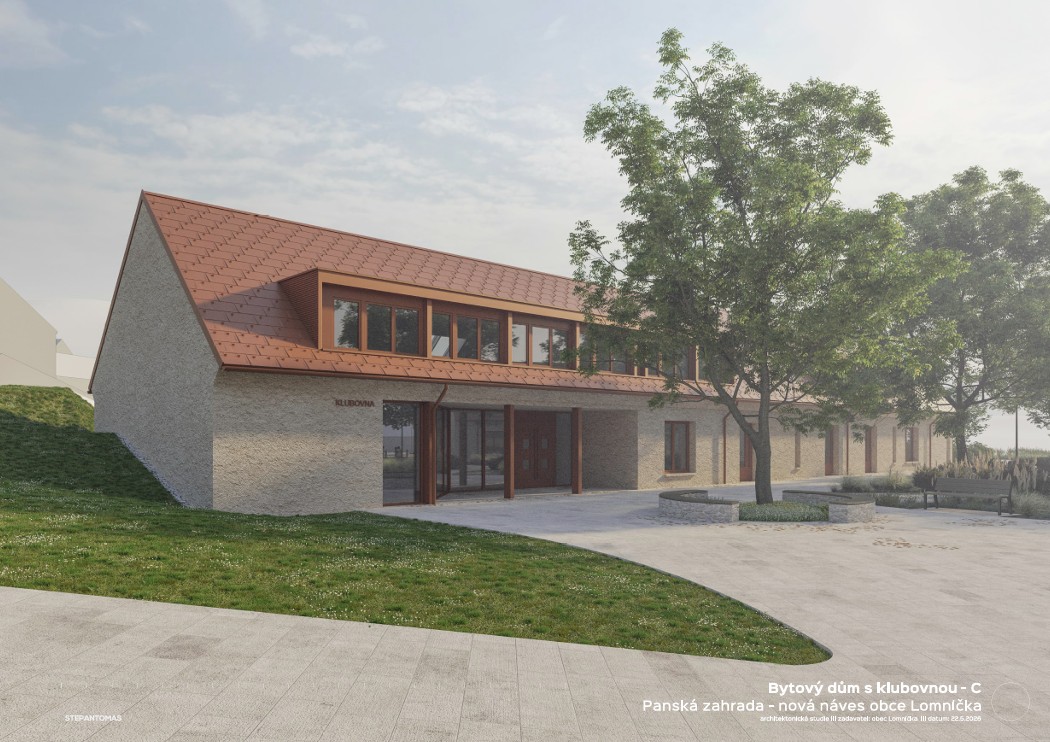
In addition to the architectural and urban planning proposal, the council also has a feasibility study at its disposal. “We know the direction in which we would like to develop the site further. The next steps will be up to the new council, which will be elected in the local elections. The project will need to be divided into individual phases, and their implementation adapted both to the availability of grant funding and, above all, to the municipality’s financial capabilities,” says the mayor, outlining the next steps.
Involving residents helps build trust and a sense of connection to the area
Public involvement has helped the municipality narrow down a broad list of proposals to a few clear priorities. It has also highlighted issues on which residents agree and, conversely, revealed ideas that did not gain majority support. As a result, the municipality can plan its investments more effectively and focus on projects that will bring real benefits to the local community.
At the same time, participation boosts trust in the local authority’s decision-making. Should the municipality decide in the future to build a new town hall, improve services or redevelop public spaces, it can draw on the specific findings gathered from residents. Such data can also be valuable when applying for grant funding.
Equally important is people’s connection to the place. Residents who have had the opportunity to express their views and participate in finding solutions are more likely to identify with the resulting project and see it as their own.
Lomnička thus demonstrates that even a small municipality can, through well-thought-out public engagement, obtain valuable input for its decision-making and, together with residents, shape a space that will serve the entire community.
JINAG’s role:
- communicating with representatives of the local council, the nursery school and the
- architect working with the local council
- organising and facilitating a workshop with local residents, including compiling the
- workshop findings
- drawing up and analysing questionnaires
- presenting the findings from the workshop and the questionnaire to the local council
Are you dealing with something similar in your local community? Would you like to involve residents in an important decision? Please get in touch:
Lukáš Dubec, Participation Specialist
+420 605 770 332
lukas.dubec@jinag.eu