29. 06. 2026
Author:
Be Ready: Working Together to Combat Urban Heat Island Effects and Find Solutions for a Climate-Resilient Future
The past few days have made it very clear that extreme heat is no longer a distant threat or an exceptional event. The Czech Republic has just experienced its hottest weekend on record, during which, according to preliminary data, an all-time temperature record was broken, and temperatures in some places approached 42 °C. Cities feel the impacts of heat the most: scorching streets, squares, and buildings create so-called urban heat islands, which make built-up areas several degrees warmer than the surrounding countryside. This negatively affects residents’ health, the quality of public spaces, and the functioning of urban infrastructure.
The Be Ready project responds to this increasingly urgent challenge; in 2026, it will conclude its activities with two major events focused on finding practical solutions for more climate-resilient cities.
From Data to Practical Solutions for Urban Heat Islands
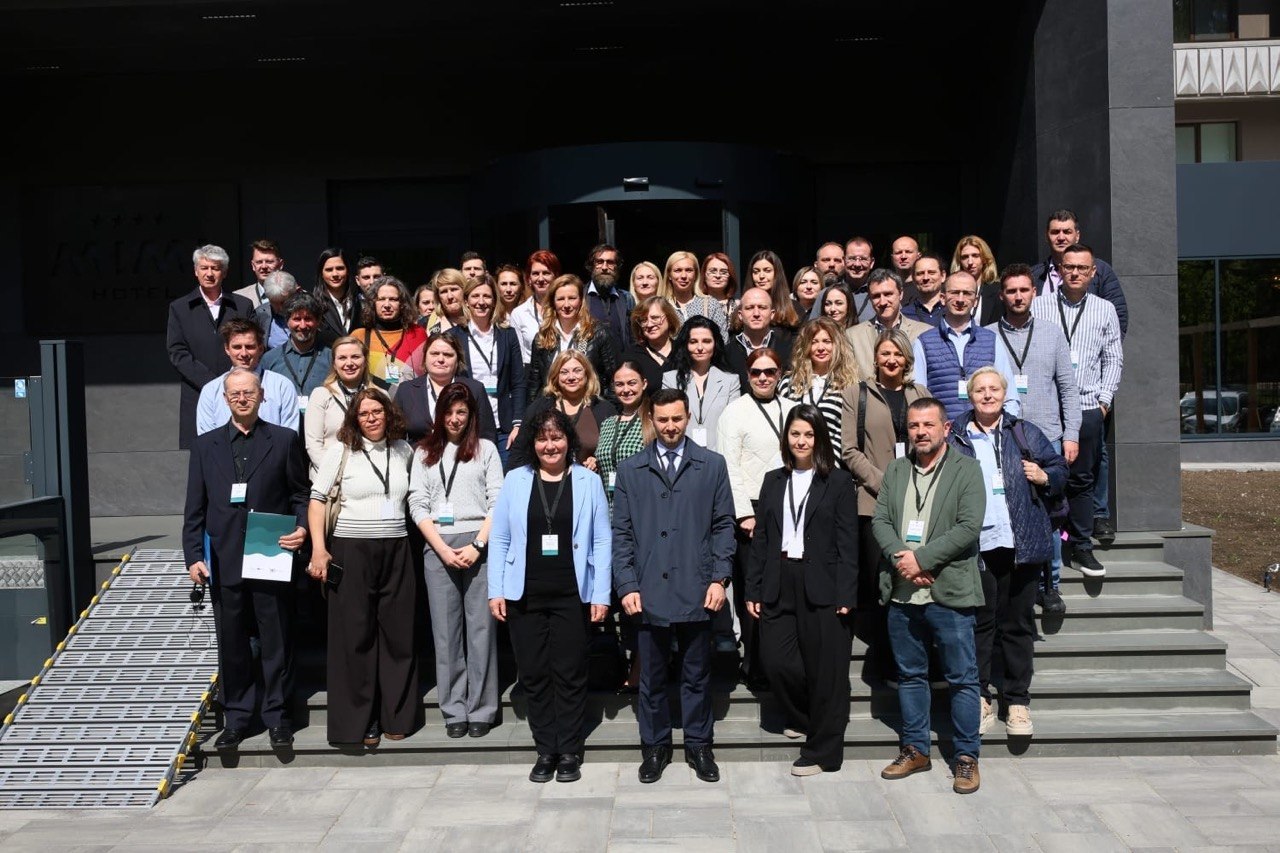
The first of these was the closing conference in Chisinau, the capital of Moldova, where we worked with city representatives, experts, and European institutions to find concrete solutions to the growing problem of urban heat islands. Our discussions focused primarily on gaining a better understanding of the urban heat island phenomenon and translating that understanding into practice—from data collection and analysis through planning to the implementation of specific adaptation measures in cities. We placed great emphasis on sharing the results of the Be Ready project and experiences from pilot activities that demonstrate how to reduce the heat load in public spaces and strengthen cities’ resilience to extreme temperatures.
https://interreg-danube.eu/projects/be-ready/news/final-be-ready-conference-in-chisinau
Video from the conference:
Climate Festival Raised Awareness of Heat Waves Among the General Public
The second event was the opening ceremony of the HEAT FEST 2026 climate festival in Sofia, Bulgaria, which brought climate change to the public's attention. The festival featured practical demonstrations of solutions for cooler and more sustainable cities—ranging from innovations in urban planning to blue-green infrastructure, community engagement, and creative approaches to adaptation. The program included interactive exhibits, workshops, and presentations of specific measures that can inspire cities to implement changes more quickly.
Both events confirmed that the problem of urban heat islands affects us all and requires swift and well-thought-out solutions. According to experts, the extreme heat we are already experiencing today will become increasingly frequent and intense. (See Climate Risk Forecast through 2099: How Will the Climate Change? | Cool Region)
Cities must therefore find ways to protect their residents, cool public spaces, and adapt to changing climate conditions. The Be Ready project demonstrates that effective solutions exist and that the key to their success lies in collaboration, sharing experiences, and a willingness to turn plans into concrete actions.
Be Ready in Practice: Concrete Solutions in Czech Municipalities
In Drnholec, the Be Ready project helped identify the areas most at risk of overheating and, based on data and local residents' experiences, identify specific ways to adapt public spaces.
Drnholec: A Greener and More Pleasant Place to Live | Cool Region
The Czech pilot area for the Be Ready project is the municipality of Ratiboř in the Zlín Region. Here, the Be Ready project demonstrated that overheating affects not only large cities but also smaller municipalities. Based on measurements, a thermal comfort map, and input from local residents, the most affected areas were identified, and appropriate adaptation measures were proposed. A concrete outcome is a bioclimatic bus stop featuring greenery, rainwater retention systems, and elements that help cool the public space. The project was followed by an Action Plan to Address the Impacts of Urban Heat Islands.
https://ratibor.cz/obec/p1596-projekt-be-ready-v-ratibori
This project is co-financed by the European Union under the Interreg Danube Region program.